
Preparing Your Community’s Pavement for Winter
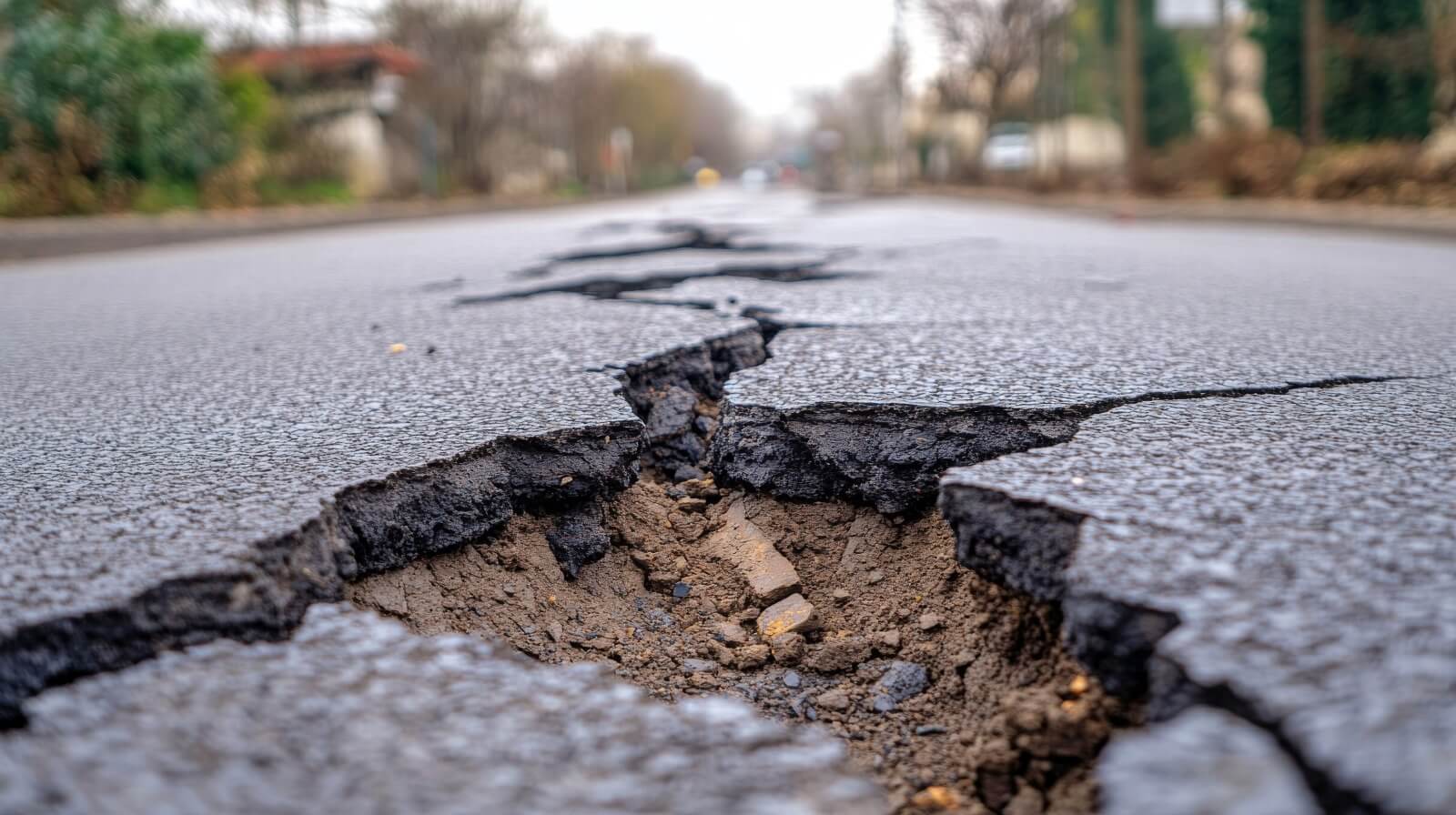
Now that we are in the back half of the year and the hot weather summer weather will begin to cool, it’s time to prepare for yet another Colorado winter when it comes to your community’s pavement. As we experienced last year, winter in our state is unpredictable and so it’s best to think about a full-scale preparation for the upcoming season.
Your parking lots and drive lanes are the welcome mats for residents, both current and prospective, and Denver’s notorious freeze-thaw cycles are incredibly destructive to asphalt. When moisture seeps into vulnerable pavement and freezes, it expands, turning minor flaws into massive potholes. These are not just eyesores, they are trip hazards, risk to vehicles, and liability nightmares for property managers.
To protect your capital investments and your residents, here are four suggestions as to what should be done to your asphalt before the winter months arrive.
DEEP CLEAN & CLEAR THE DRAINAGE
Before the snow begins to flurry, get your parking lots professionally swept. By removing dirt, leaves, and debris, you are ensuring that when snowplows clear your lots, they won't drag harmful objects across the surface and gouge the asphalt.
It is equally important to do a thorough drainage inspection. Water is asphalt’s worst enemy in the winter. Clear out your gutters and catch basins so melting snow has a clear path off the pavement. If snow melt pools in low depressions, it will inevitably refreeze, pushing into the asphalt's pores and breaking it apart from the inside.
ADDRESS CRACKS & POTHOLES IMMEDIATELY
If you missed the window to crackseal earlier this year, make it your top priority now. Any cracks wider than a quarter inch need to be filled before the first freeze, or it will get worse, quicker.
The same goes for potholes. Take care of permanent repairs while the weather still allows for hot-mix asphalt. Once winter sets in, hot-mix plants close or temperatures drop too low for the material to cure properly, forcing you to rely on temporary cold-mix asphalt patches to survive until spring.
APPLY A FRESH SEALCOAT
Sealcoating provides a vital barrier against winter precipitation, de-icing chemicals, and vehicle fluid leaks. By keeping moisture out, you significantly reduce the risk of freeze-thaw damage. However, you are racing against the clock: for sealcoat to cure correctly, nighttime temperatures generally need to stay above 50°F. Keep a close eye on the Metro Denver forecast and schedule this before it gets too cold.
FINALIZE YOUR SNOW REMOVAL STRATEGY
Now is the time to meet with your snow removal vendors. Ensure their operators know to keep plow blades raised slightly or use plastic blades rather than metal ones to prevent scraping the pavement surface.
Additionally, stock up on the right de-icers. Avoid harsh mixes containing ammonium, as they can break down the asphalt. Instead, use calcium chloride, magnesium chloride, or a simple sand mixture. These are highly effective for melting ice, gentler on your pavement, and generally safer for the pets in your community.
Proactive maintenance always costs less than reactive repairs. Getting your community’s asphalt ready for winter now will save your budget come spring. We suggest getting your property inspected and discussing a maintenance plan to keep your parking lots safe and looking great!
Categories
Follow Along!
#AAMD2025
 |
 |
 |
 |