
On-Site Beekeeping: A Sweet and Sustainable Amenity
Sustainability in multifamily housing has moved far beyond recycling rooms and LED lighting. Today’s residents and investors are looking for amenities that deliver real environmental impact while fostering education, community, and brand differentiation. One amenity quietly doing all of that? On-site beekeeping.
Across urban and suburban apartment communities, beehives are emerging not just as a sustainability strategy, but as a resident facing experience that brings environmental efforts to life- especially as cities and regulations reshape how buildings approach rooftop and open space design.
As Denver’s Green Roof Ordinance reshapes how multifamily buildings approach rooftop design, property owners are exploring solutions that meet compliance requirements while delivering broader environmental value. Among those solutions are rooftop beehives, utilized as a complementary strategy to help support green roof objectives when integrated into a larger sustainability plan.
Denver’s ordinance prioritizes vegetation, storm water management, and urban heat reduction. While beehives alone do not satisfy these requirements, they can enhance the performance of green roofs by supporting pollination and long-term plant health across rooftop and ground-level landscapes while also becoming a fun community fact and potential resident perk.
Rooftop beehives are typically incorporated alongside vegetated roofs, native or adaptive plantings, and pollinator-friendly landscaping. Honeybees can forage up to two miles from their hive, meaning their impact extends well beyond a single building and into the surrounding urban canopy, particularly Denver’s Lynden trees, which are one of the city’s most significant nectar sources.
When conditions allow, rooftop hives may produce honey once or twice a year. That honey is often shared with residents, offering a tangible connection to the sustainability systems built into their community. When considering amenities in an apartment community, beehives pair well with community gardens and landscaped open spaces to further extend the benefits of pollination, reinforcing the return on green roof investments and allowing the initiative to be resident focused in addition to ordinance-driven.
When integrated into a comprehensive green roof strategy, beehives support plant performance, strengthen urban ecosystems, and help translate regulatory requirements into visible, living systems working quietly above the city. According to local Beekeeper, Ed Schell, “city ordinance limits the amount of backyard hives to two per household, we are always looking to partner with local businesses to expand our hobby.” For him, this is a partnership to utilize the roof top of the Blue Bonnet restaurant on South Broadway.
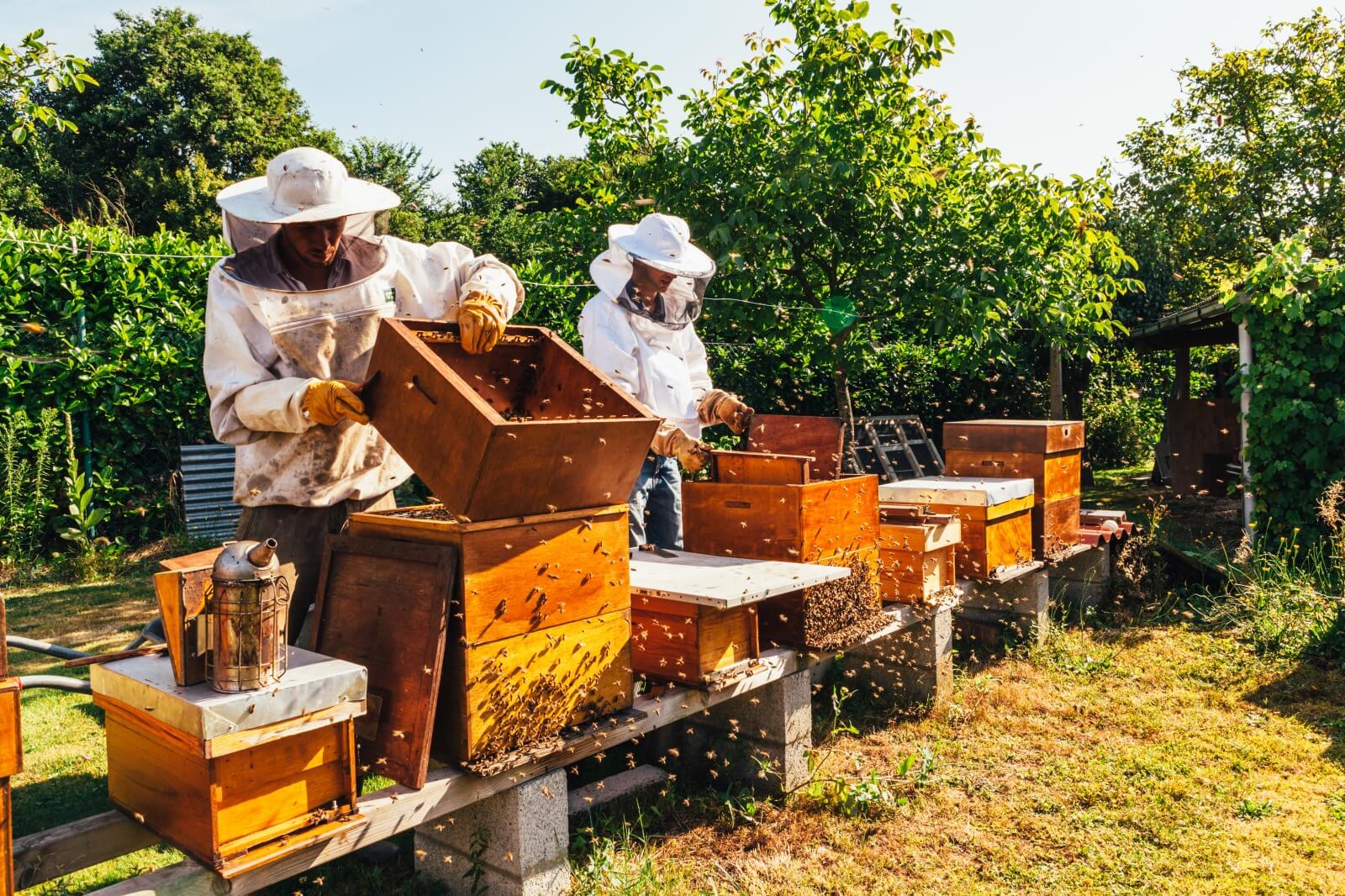
From an operational standpoint, beekeeping programs are largely turnkey and create great opportunities for resident engagement. Beekeeping teams, such as Best Bees, manage installation, routine maintenance, seasonal challenges, and safety protocols. Ian Haines, account manager with Best Bees explains that he and his team typically visit hives every three to six weeks, and often host resident facing events such as hive tours and honey tastings. Tastings frequently feature three honeys from different regions, paired with DNA “pie charts” that show which plants influenced each flavor, highlighting seasonality and plant diversity.
Italian honeybees are commonly used in multifamily settings such as Edison Rino, who works with Best Bees to maintain their rooftop hive. These bees are used due to their docile nature and strong honey production. With clear guidance, such as maintaining a respectful distance of 15–20 feet, residents quickly learn that honeybees are non-aggressive, and initial anxiety often gives way to curiosity. Over time, the hive becomes a shared point of pride within the community, strengthening resident satisfaction and fostering a deeper connection to place. Branded honey jars, thoughtful signage, and on-site educational materials further reinforce the hive as a visible, story driven sustainability amenity rather than a behind-the-scenes initiative.
“The dream client is one who commits to growing alongside the bees,” Haines says. “They start with a baseline and then learn what the hive needs, adapting as they go.” In a multifamily industry increasingly focused on sustainability with substance, beekeeping offers something rare: a living system that supports biodiversity, educates residents, and quietly strengthens communities one pollinated plant at a time.
Categories
Follow Along!
#AAMD2025
 |
 |
 |
 |